Dhul Hijjah

The month of Dhul Hijjah is one of the holiest periods of the Islamic year, SubhanAllah. A month of increased spirituality, we witness two very special events (Hajj and Eid ul Adha) – all in devotion to Allah (SWT).

Many people don’t know that the first ten days of Dhul Hijjah are better than all the other days of the year, the ten best days with no exception. They are even better than the days of Ramadan, SubhanAllah!

Prophet Muhammad(peace be upon him)said;

There are no days on which righteous deeds are more beloved to Allah than these ten days

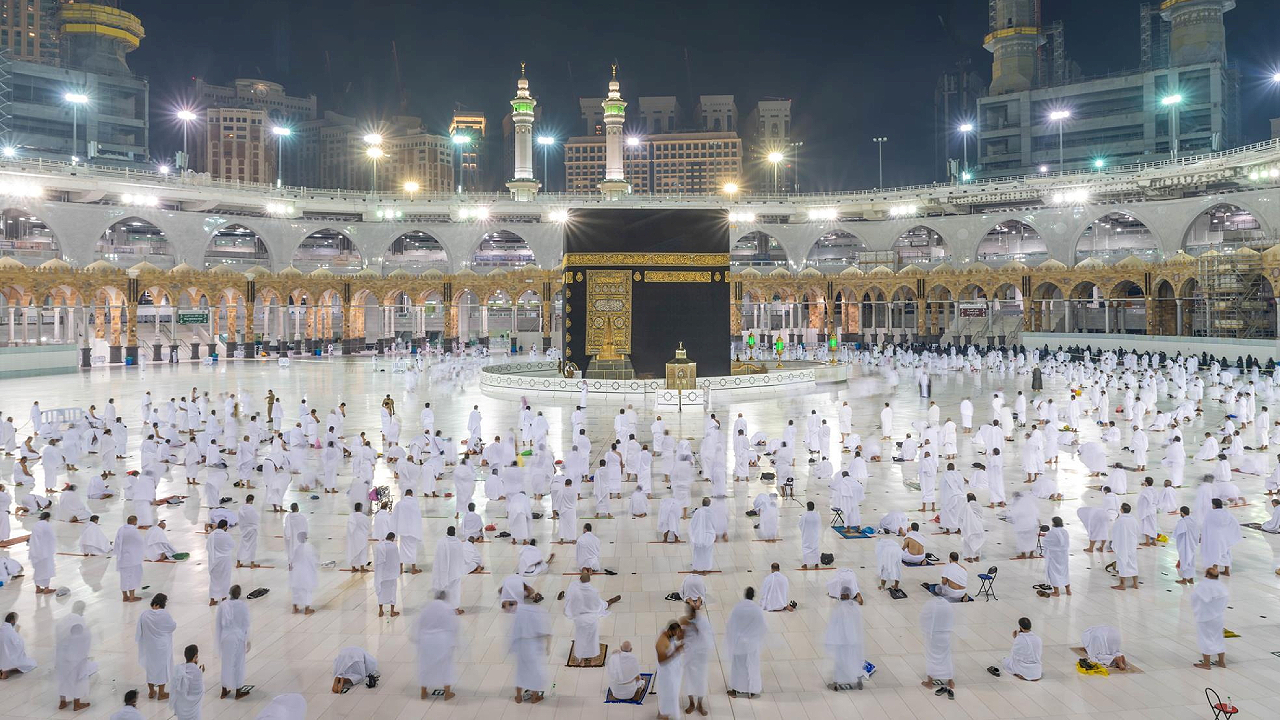
Our hearts and prayers are with those undertaking the holy pilgrimage of Hajj during these days. While many of us are unable to make the blessed journey this year, there are still many ways for us to reap the blessings of this month.

According to many scholars of the Qur’an, the days mentioned as significant enough for Allah to swear by them are the first ten days of Dhul-Hijjah.

Whoever is not able to go to Hajj should use this blessed time to complete even more righteous deeds than usual. These can include anything such as giving charity, honouring one’s parents, upholding the ties of kinship, and enjoining what is good and forbidding what is evil.

It is also important to enhance our obligatory acts of worship by being mindful of our prayers and ensuring we pay our zakat on this time.

For those of us who have not yet completed the pilgrimage of Hajj, this is an ideal time to make Du’a that Allah grants us the opportunity to do so soon. Fasting and remembrance are particularly recommended.

The ten days of Dhul-Hijjah include Yawm al-Arafah (the Day of Arafah), on which Allah perfected His Religion.
First Ten Days of Dhul-Hijjah

Every year, the events of Hajj take place in a ten-day period, starting on 1 and ending on 10 Dhu al-Hijjah, the twelfth and last month of the Islamic calendar. Among these ten days, the 9th Dhul-Hijjah is known as Day of Arafah, and this day is called the day of Hajj.Muslims celebrate the festival Eid ul-Adha during Hajj.

This is the second holy festival in the year. Eid ul-Adha marks Allah asking the prophet Abraham, in a dream, to sacrifice his son Ishmael as an act of obedience to Allah.The first 10 days leading to the pilgrimage carry significant and meaningful milestones for Muslims in the 12th and final month of their lunar year.(Al-Hajj 22:28)

The majority of scholars agree that the “appointed days” are the first ten days of Dhul-Hijjah, because of the words of Ibn `Abbas (may Allah be pleased with him and his father): “The ‘appointed days’ are the first ten days (of Dhul-Hijjah).”

Fasting on these 10 days are beloved to Allah (SWT), and especially on the ninth of Dhul Hijjah, which is the day of Arafat because fasting on this day means our sins from the previous and coming year will be expiated. This practice is Sunnah for Muslims and highly recommended.

Dhul Hijjah is one of the most glorious months in Islam. Allah says:

“Indeed, the number of months with Allah is twelve [lunar] months in the register of Allah [from] the day He created the heavens and the earth; of these, four are sacred. That is the correct religion, so do not wrong yourselves during them. And fight against the disbelievers collectively as they fight against you collectively. And know that Allah is with the righteous [who fear Him]”. (Surah At-Taubah: 9:36)

As narrated by Hazrat Abu Bakr (R.A.), Prophet Mohammad (S.A.W.) said:

” The division of time has turned to its original form which was current when Allah created the Heavens and the Earths. The year is of twelve months, out of which four months are sacred: Three are in succession Dhul Qadah, Dhul Hijjah and Muharram, and (the fourth is) Rajab of (the tribe of) Mudar which comes between Jumada Al-Akhirah and Shaban.” (Sahih Al-Bukhari: 3197)